

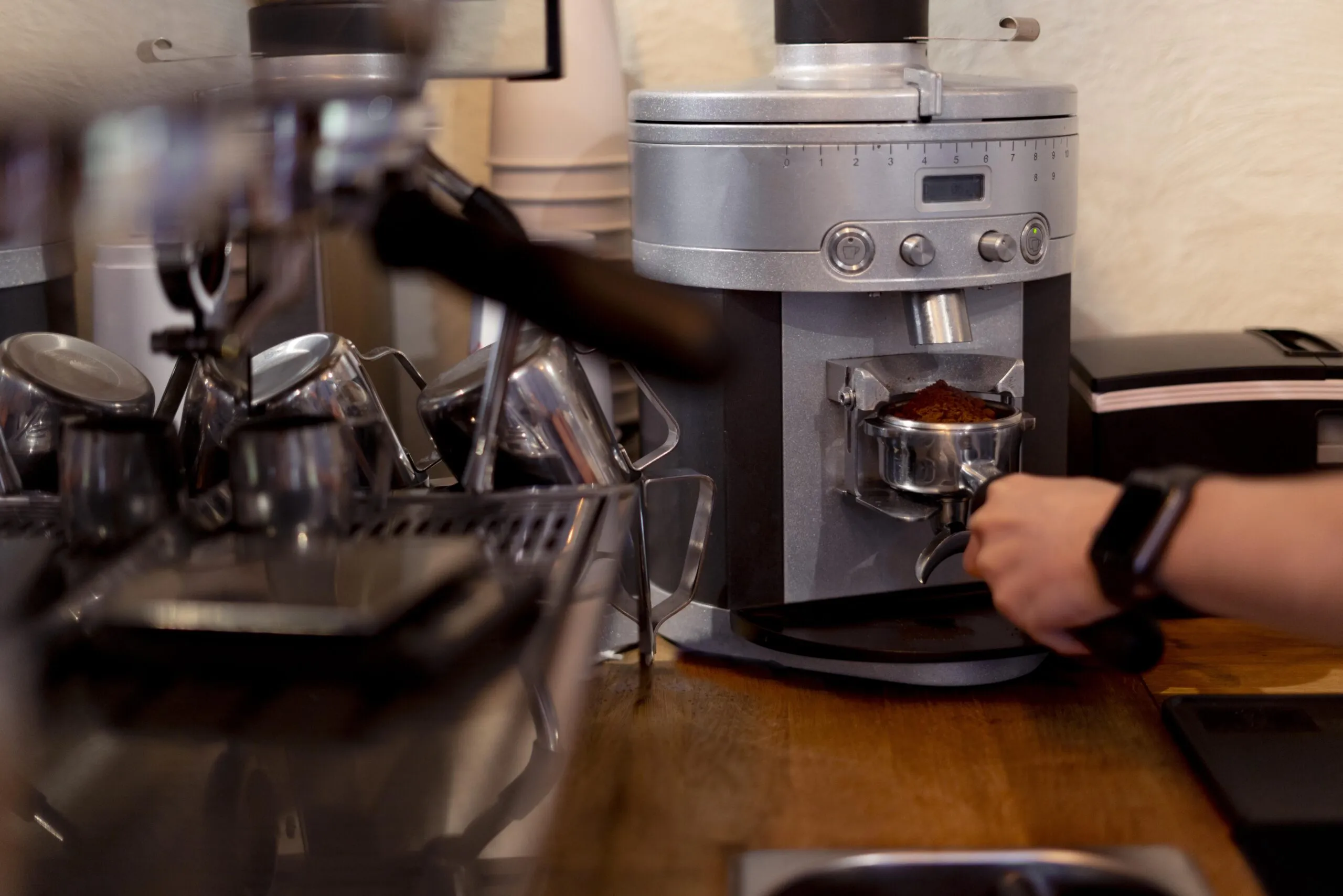
Picture this. It’s a Sunday morning in Colombo. The fan fights the humidity. Someone just unboxed a shiny new espresso machine. Twenty minutes later, the kitchen smells like burnt toast, and everyone argues about whether the machine broke or the beans failed. Nine times out of ten, the beans caused it. If you’re hunting for good espresso beans in Sri Lanka, this guide gives you a straight answer, no jargon.
Espresso doesn’t forgive much. Feed it the wrong bean and you get a sour, thin shot with no crema. Feed it the right bean and you get that thick, chocolatey pull that makes the whole exercise worth it. Even the Specialty Coffee Association treats espresso as its own discipline, with its own rules on dose, time, and pressure. So let’s get into what actually works.
Why Espresso Beans Differ From Regular Coffee Beans
Any coffee bean can go through an espresso machine, but not every bean suits it. Espresso brewing forces hot water through finely ground coffee at high pressure. That’s a much rougher ride than a drip filter or a French press gives a bean. Roasters pick espresso beans for the uniformity, body, and crema they hold under that pressure. Regular coffee beans usually get a lighter roast, which keeps more of their original character but folds under pressure brewing. That’s why a light roast that tastes wonderful as a pour over can taste flat and sour in a portafilter. Roast level, grind size, and brewing method drive most of the difference. You can read more about how espresso works as a brewing method on Wikipedia.
What Actually Makes a Bean Good for Espresso
Three things matter more than the label on the bag. First, roast level. Medium to medium-dark roasts hold up better under pressure and build that classic crema. Second, freshness. Coffee that has sat on a shelf for eight months won’t pull a good shot, no matter what it cost. Third, grind consistency. Even great beans taste burnt or watery if the grind doesn’t match your machine. Watch your extraction time too. If a shot drifts far outside the typical 25 to 35 second window, check your grind first.
The Best Espresso Beans in Sri Lanka Right Now
For a genuinely local pick, try Toscana Ceylon first. It grows in the Central Hills, at the kind of altitude Arabica plants actually need to thrive. Farmers handpick ripe cherries, which gives the bean a clean, honey-toned sweetness that works well in espresso, especially if you prefer a less bitter shot. Buying it also supports Sri Lankan coffee farming families directly, so your morning cup does some good on the side.
Want a classic Italian café shot instead? Lavazza is the safest, most consistent choice. Over a century of refinement built these blends specifically for pressure brewing. The roasters mix Arabica and Robusta in careful ratios to get body and crema without losing sweetness. Pick this if you’re still learning your machine and want one less variable to troubleshoot.
Want something in between, milder but with more character than a pure Italian blend? Paradise Ceylon hits that middle ground. It suits people who find strong espresso overwhelming, but it still carries enough body to work in a machine.
Still deciding between local and imported beans in general? This earlier guide on buying coffee beans in Sri Lanka breaks down the differences.
A Quick Word on Grind and Storage
Buy whole beans, not pre-ground, if your machine allows it. Grind right before brewing. Seal the bag and keep it away from sunlight. Skip the fridge, since moisture hurts coffee more than it helps. These small habits matter more for espresso than for almost any other brewing method, because the margin for error stays so small.
The Honest Bottom Line
No single “best” bean works for every machine and every person. Match the roast to your machine, buy it fresh, and adjust your grind until the shot tastes right. You don’t need specialty-grade scores to enjoy a great cup at home, just a bean that suits your taste and a machine you treat with care. Start with a Sri Lankan pick like Toscana Ceylon if you want something local and interesting. Choose Lavazza if you want a dependable, café-style shot with less trial and error. Either way, the best espresso beans in Sri Lanka come down to what your machine and your taste buds actually want.
Next time someone blames the machine for a bad shot, you’ll know better. Check the bag first.